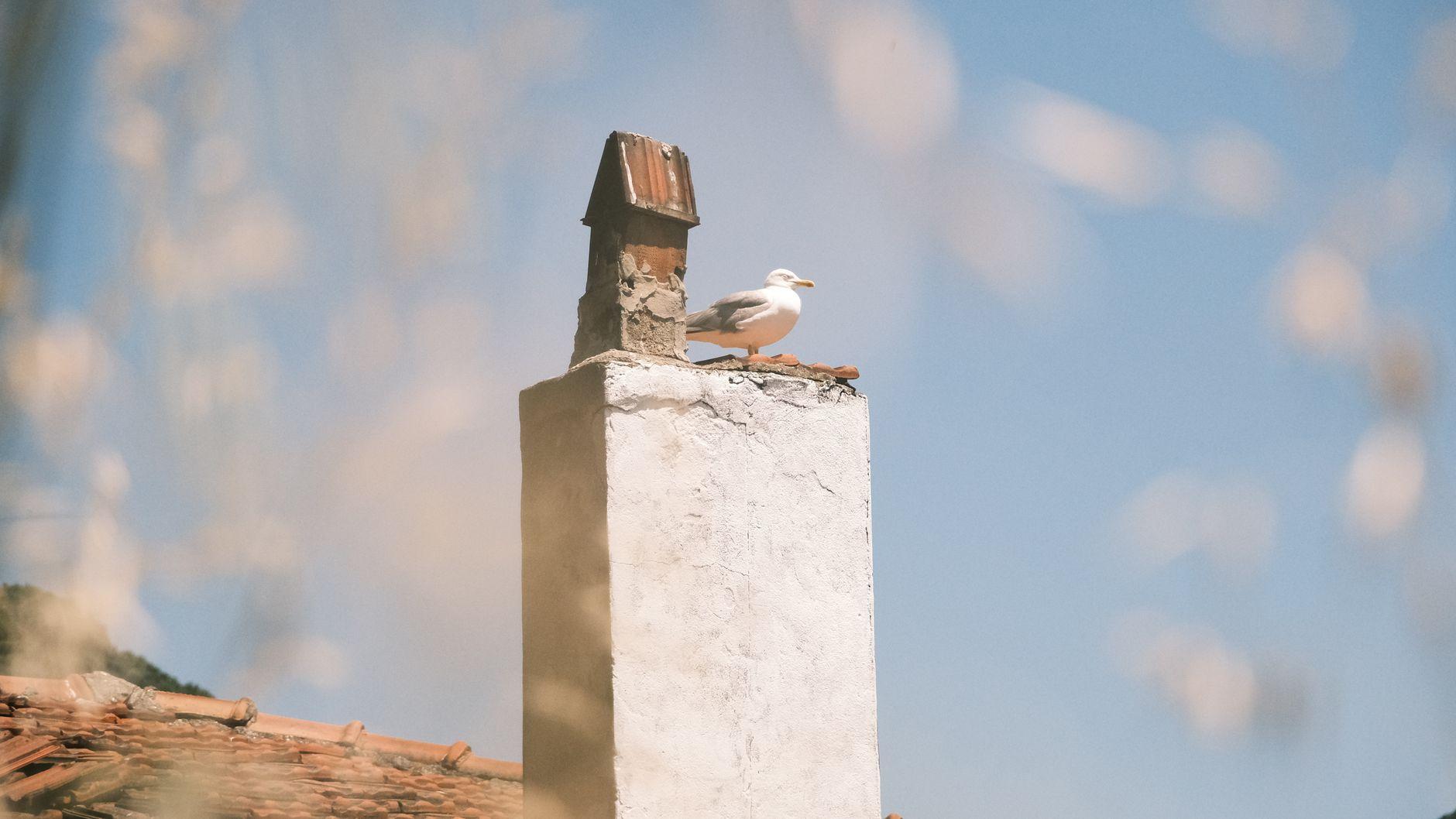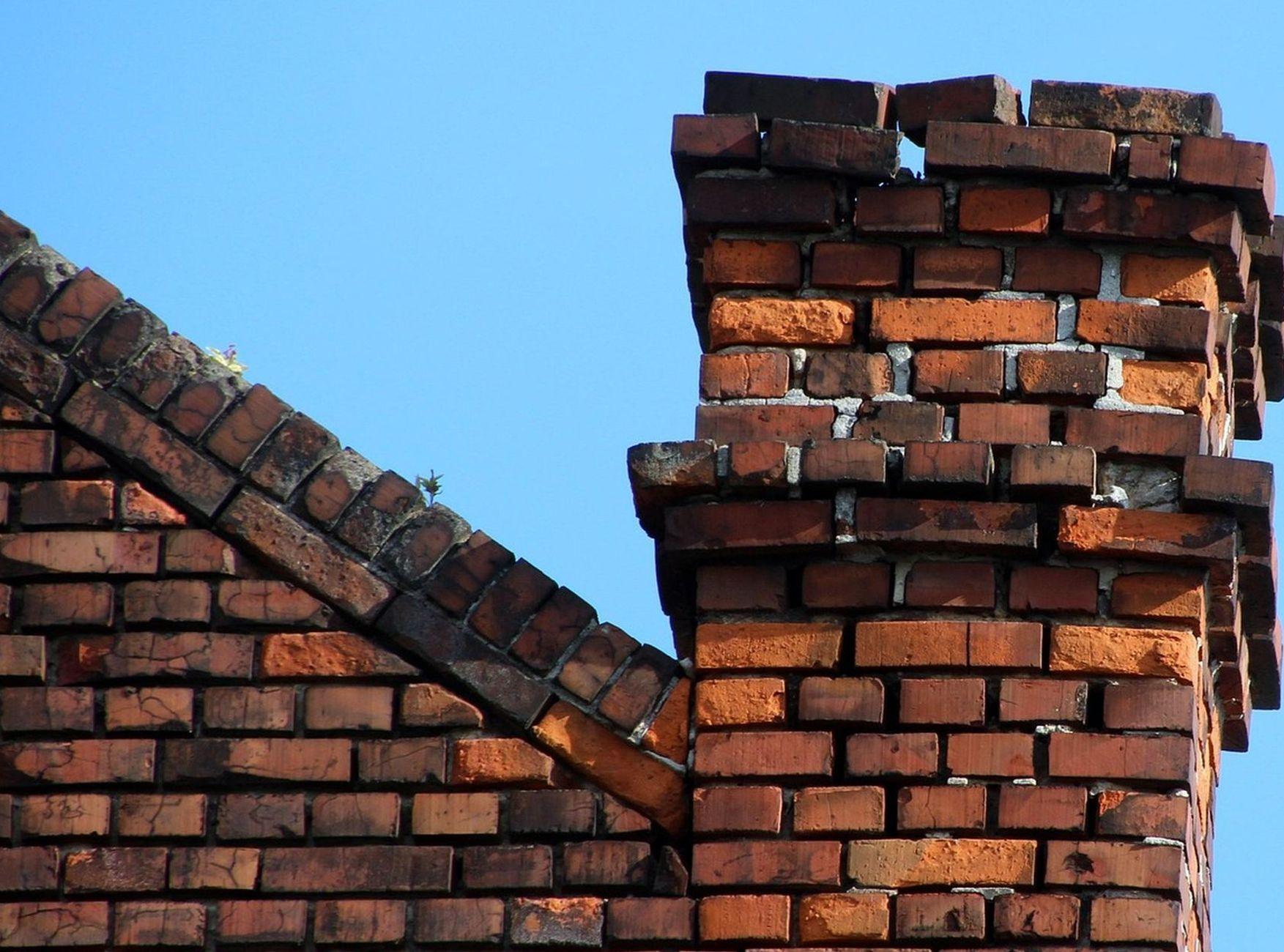
Stand on a Hermosa Beach roof a few blocks from the water and look at the neighbors' chimneys. You will spot three kinds of cap. Dull gray ones gone orange at the corners. Bright stainless ones that still look new. And the odd copper one, brown or turning green. Those three colors are the whole argument of this post: the metal you choose decides how long the screen keeps birds, rats and leaves out.
Side by side
| Point | Galvanized | Stainless | Copper |
|---|---|---|---|
| Color over time | Gray, then rust | Stays silver | Brown, then green |
| Near salt water | Rusts at seams and mesh | Holds up | Holds up |
| Weight | Light | Medium | Heavier |
| Where we fit it | Not on the coast | Most houses | Where looks matter |
Galvanized: why we leave it on the shelf
Galvanized steel is steel with a zinc coat. Inland it can do the job for a while. In the beach cities the zinc wears through first at the cut edges and where the mesh is welded to the frame. Once the steel underneath starts to rust, the mesh turns brittle, and a rat or a stubborn pigeon finds the soft spot. We see plenty of these on Hermosa Beach roofs, still sitting there with a hole in the screen. We would rather not sell a cap that ends up back on your to-do list. When we take an old galvanized cap off, we show you the mesh, and it usually explains the twigs on your grate better than we could.
Stainless: what most houses get
Most caps we fit are stainless. Not every stainless is equal: the grade matters near salt water, and so do the screws and clamp bolts. A stainless cap held on with plain steel screws rusts at the fixings and works loose in the wind. Our stainless caps go on with stainless hardware.
Stainless suits nearly every chimney we see: single round or square tiles, wider tops with several openings, short and tall. It is also what we use when the chimney serves a gas appliance and the cap has to suit that vent.
Copper: the one you pick for looks
Copper does not rust. It goes brown within a season and, given enough sea air, green. Some owners want exactly that, often on a brick chimney on an older house, or a house with copper gutters to match. It costs more than stainless at the same size, and it weighs more, so it needs a sound tile or top to fix to.
What copper does not do is make the screen tougher. An animal does not care what color the mesh is. A copper cap keeps critters out as well as a stainless one, and no better.
Clamp-on or full-width
Metal is half the choice. The other half is how the cap covers the chimney. A clamp-on cap fits one flue tile and grips it with bolts. It is light, quick to fit, and made to close a single opening. A full-width cap sits over the whole top and fixes to the concrete or the brick. It closes every opening in one piece and shades the top from rain and sun, which helps an older crown last. On a chimney with two flues, one full-width cap often costs less than two clamp-ons and looks tidier. On a chimney with a cracked top, the crack gets fixed first, since a full-width cap needs something sound under it.
What each costs
Every cap we fit, in any of these metals, is quoted after we measure. Size moves the price more than metal does:
- A stainless clamp-on over one tile, on a roof that is easy to walk, is the simplest job.
- A stainless full-width cap over two or three openings, or a tall chimney on a steep roof, costs more.
- Copper, very wide tops, or heavy caps bolted down to the masonry cost the most.
The quote names the metal, the size and how it is fixed. If anything else up top needs work, such as a crack in the crown, that goes on its own line with its own written quote, so the cap price stays readable on its own.
Choosing yours
Tell us what you have and what bothers you: rust streaks on the stucco under an old cap, birds slipping past a torn screen, or a cap that blew off in a winter storm. Ask for a cap quote in stainless, copper or both, and say which way you are leaning. When we can, we bring both metals and price them side by side on the roof.
Three things we look at while we are up there
The top of the chimney gets the same salt and sun as the cap, so while the cap goes on we check three neighbors of it and tell you if any is due:
- The crown, the concrete or mortar top the cap sits on. A crack here lets water into the brick from above.
- The flashing where the chimney comes through the roof. Salt eats cheap flashing too, and it is a common leak path. Our flashing post has the prices.
- The chase cover on a framed chimney. It rusts in the same air, and the chase cover post goes through it.
Let us see the roof
A cap is a small part with a big job on the coast. If yours is rusting, missing or letting things in, ask for a visit on our contact page and we will price stainless and copper for your Hermosa Beach roof.
Is Something Living in Yours?
McGrath pulls nests, sweeps out what they leave, and fits screened caps and fresh flashing so birds, rats and rain stay outside. We take jobs in Hermosa Beach, Manhattan Beach, El Segundo, Inglewood and the towns around them.