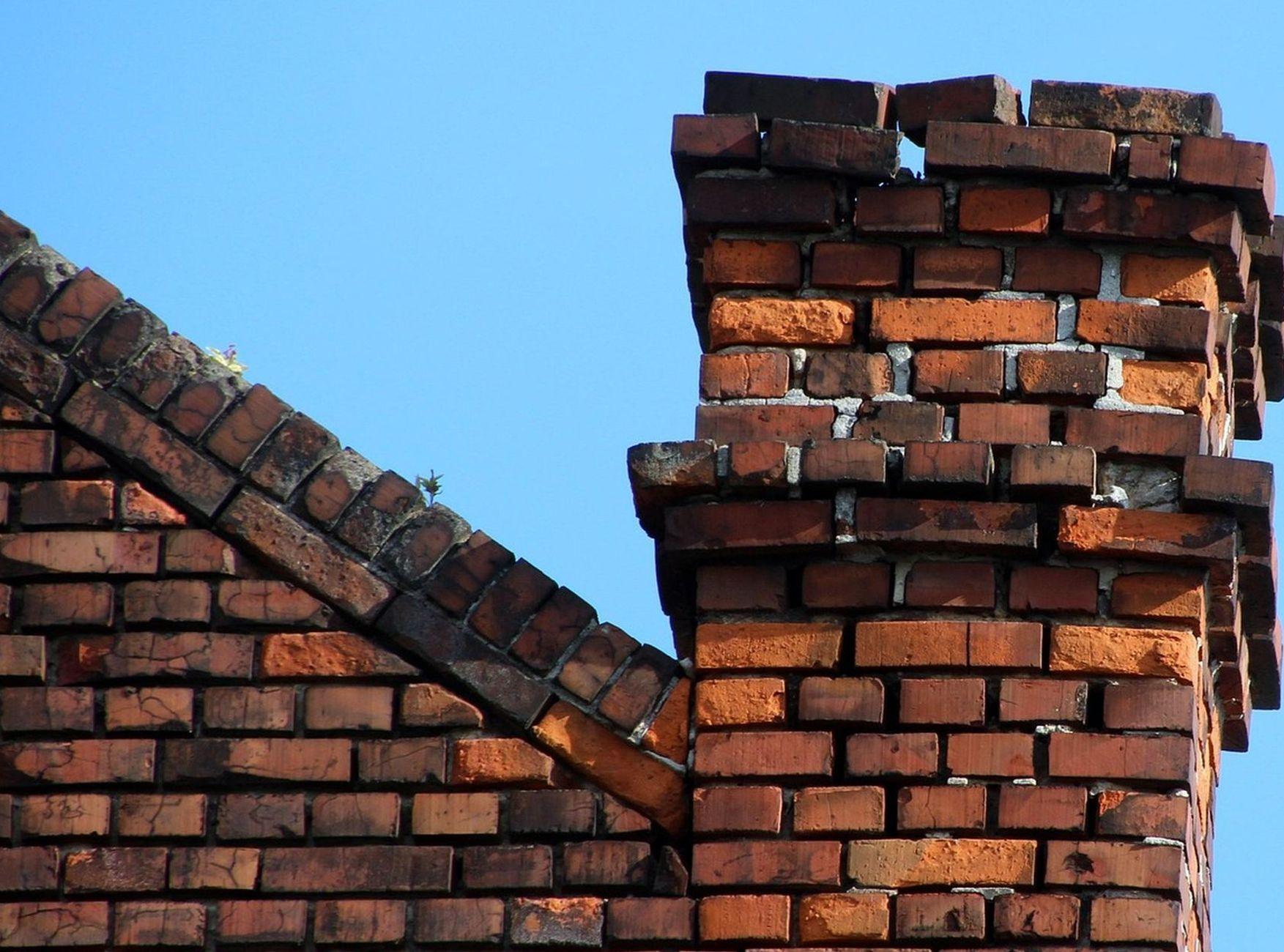
The first sign is rarely something you see. It is a scuffle behind the fireplace at four in the morning, a chirp that comes and goes all spring, or a smell in the den that gets worse when the heater kicks on. Sometimes it is a pile of sticks on the grate. Owners in Hermosa Beach call us about all of these, and the first thing they ask is who they should be calling. Often it takes two kinds of help, and the order matters.
Alive and in there, or gone and left a mess
Split the problem in two.
If the animal is still there and alive, that part is a wildlife job. A raccoon with young on the smoke shelf, a squirrel that dropped in and cannot climb out, a bird beating its wings against the damper: these need someone set up to handle live animals. We are a chimney company. We will tell you what we can see, and we will not try to haul a raccoon out of a flue by hand.
If the animal has left, or what you have is a nest, droppings, a carcass or a heap of debris, that is chimney work, and it is ours. Clearing the flue, cleaning the smoke chamber and damper, checking for damage, and closing the top so it does not happen again.
Plenty of calls are a mix. A bird came down, flew out through the living room, and left its nest behind. Rats ran up and down all winter and then moved on. In cases like those there is nothing live to remove, and you can book us directly.
While you wait for help
Do not light a fire to drive it out. A nest of dry twigs on the smoke shelf burns hot and fast, and a trapped animal cannot get clear of it. Keep the damper shut and the glass doors closed so nothing ends up loose in the house, and keep pets away from the hearth. That is the whole list. Everything past that belongs to whoever comes out.
What our visit covers once the animal is out
On a nest or animal call we work from the top down:
- The chimney top. Is there a cap at all, is the screen torn, did something chew or pry its way past it?
- The flue. A light and camera show what is lodged inside and how far up.
- The smoke shelf and damper. This is where nests, droppings and debris pile up. A damper that no longer shuts tight is often how a rat got from the chimney into the house.
- The firebox. What fell through, and whether anything is scorched or stained.
Then the clean-out. Nesting material, droppings and anything dead come out, get bagged and leave the property, and the flue is swept so the soot mixed in with them goes too. Old nest material smells and can carry germs, so the hearth and the floor around it are covered and the work is done with a filtered vacuum.
What it costs
The clean-out is done as a chimney sweep, which starts from $410. A heavy nest that fills the flue, or debris jammed well above the damper, takes longer, and the price rises from there; you get the number before we start.
If you want a dated record of the chimney afterward, for a landlord, a tenant or your own file, a Level 1 inspection is $53. If the debris was packed so tight we could not see past it, or the animal did damage, a Level 2, where the camera goes the whole height and we check the attic side, is $380.
Then the part that stops a repeat: the cap. A cap from us is quoted after we measure the flue, set by how many flues there are and the shape of the top. Our cap cost post goes through what sets the price.
Book a nest and debris visit and tell us what you heard, when it went quiet, and whether you burn wood or gas. That lets us plan the visit and bring caps that are likely to fit.
Picking a company: what to ask on the phone
A few questions tell you fast whether a company handles the chimney side properly.
- Do you look down the flue before fitting a cap? It should be yes every time. A cap over a nest or a stuck animal is the worst result on this list.
- Where does the nest material go? Off your property, not pushed down into the firebox and left there.
- Will you check the damper? If an animal got into the house, it came past the damper. A damper that no longer seals needs repair, and you should hear about it.
- Is the cap price written down before you start? It should be, along with anything else on the sheet.
- Do you work on gas vents? If the animal got into a gas fireplace or furnace flue, the cap on that vent has to suit the appliance.
Nest season and the law
Bird calls bunch up in spring and early summer, when birds are building. Rats and raccoons turn up any time of year. Some birds are protected while they are nesting, so if the chimney holds an active nest with eggs or chicks, we tell you what we see and what the options are before anything is moved. Once the nest is empty, it comes out and the cap goes on.
After the clean-out
You get a short written note with what was in the chimney, what we removed, what condition the flue and damper are in, and anything else worth fixing, each with this site's price or a written quote. If the cap went on the same visit, the note says so.
Get it on the calendar
When the scratching has stopped or the debris is sitting on your grate, tell us about it on our contact page. We set up visits across Hermosa Beach and the nearby beach cities.
Is Something Living in Yours?
McGrath pulls nests, sweeps out what they leave, and fits screened caps and fresh flashing so birds, rats and rain stay outside. We take jobs in Hermosa Beach, Manhattan Beach, El Segundo, Inglewood and the towns around them.