A chimney leak tends to show up in the wrong room. A brown ring on the ceiling beside the fireplace, a soft patch on the upstairs bedroom wall, paint blistering on the mantel wall after the first big storm of winter. In Hermosa Beach most of these lead back to one seam: the joint between the chimney and the roof. That seam is sealed with flashing, and it is the job we do most after caps and sweeps.
Where the water gets past
Flashing is bent metal that bridges the gap between roof and chimney. One layer tucks under the roofing. A second layer is set into a cut in the chimney's mortar joints and laps down over the first, like shingles on a wall. Done right, the two layers can shift with the house and still keep water on the roof side. When it fails, it is usually one of these:
- Tar where metal should be. An earlier fix smeared roof cement over the joint. It cracks within a few summers and water slips in behind it.
- The upper layer pulled away. It was only caulked to the face of the brick, never set into a cut, and it has let go.
- Rust. Older steel flashing near the coast rusts through at the bends.
- The uphill side. On a wide chimney, water running down the roof piles against the back and finds any gap there is.
- Something else entirely. A cracked crown, thirsty brick, or a flue with no cap. We rule these out before we quote a flashing job.
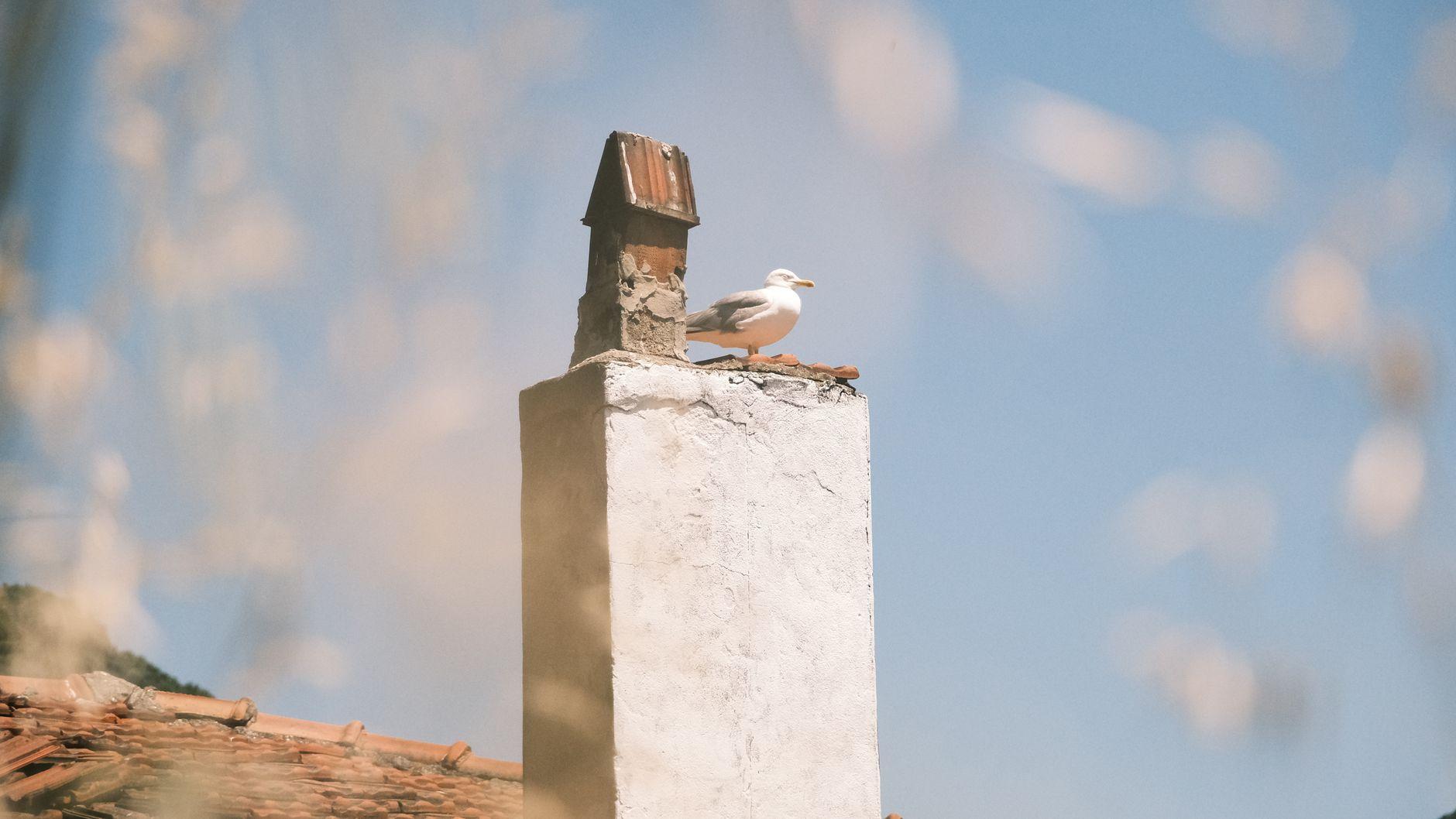
Leaks and animals often turn up on the same chimney. The gap a storm uses to get in is sometimes the gap a rat uses to get into the attic, and the tar patch at the base is often where pigeons perch and pick.
How we find it
We start at the stain, then go to the attic, then the roof. The attic tells us whether water is coming down the face of the brick, through the roof boards, or dripping from higher up. On the roof we look at every side of the chimney and at the top. If it is still unclear, we wet one part of the roof at a time while someone watches inside, until the drip shows.
Each finding goes into the note with a photo, so you can see on your own screen where the water was getting in and why the fix on the quote is the one that matches it. If the stain turns out to come from something nearby, like a roof vent or a skylight, we say so rather than selling a chimney repair that would not stop it.
Our prices for leak work
These are the figures on this site for the jobs that usually fix a chimney leak, in the order we tend to quote them:
- Finding the leak and fixing it at the chimney: $545 to $3,250
- A cricket on the uphill side, by itself: $435 to $980
- A cricket built together with fresh flashing on every face: $655 to $1,600
- A cap, when water is falling straight down an open flue: quoted on site
A cricket is a short ridge built on the uphill side so water splits and runs round the chimney rather than pooling against it. Wide chimneys on sloped roofs are the ones that usually want one.
Replacing the flashing by itself, with no cricket, has no set figure here. Its written quote lists the metal, the roofing that comes up and goes back, and any brick joints that need cutting.
What puts you high or low in the range
- Roof type. Composition shingle is quicker to work around than clay tile, which has to come up and go back down without breaking.
- Chimney size, and how many of its sides need new metal.
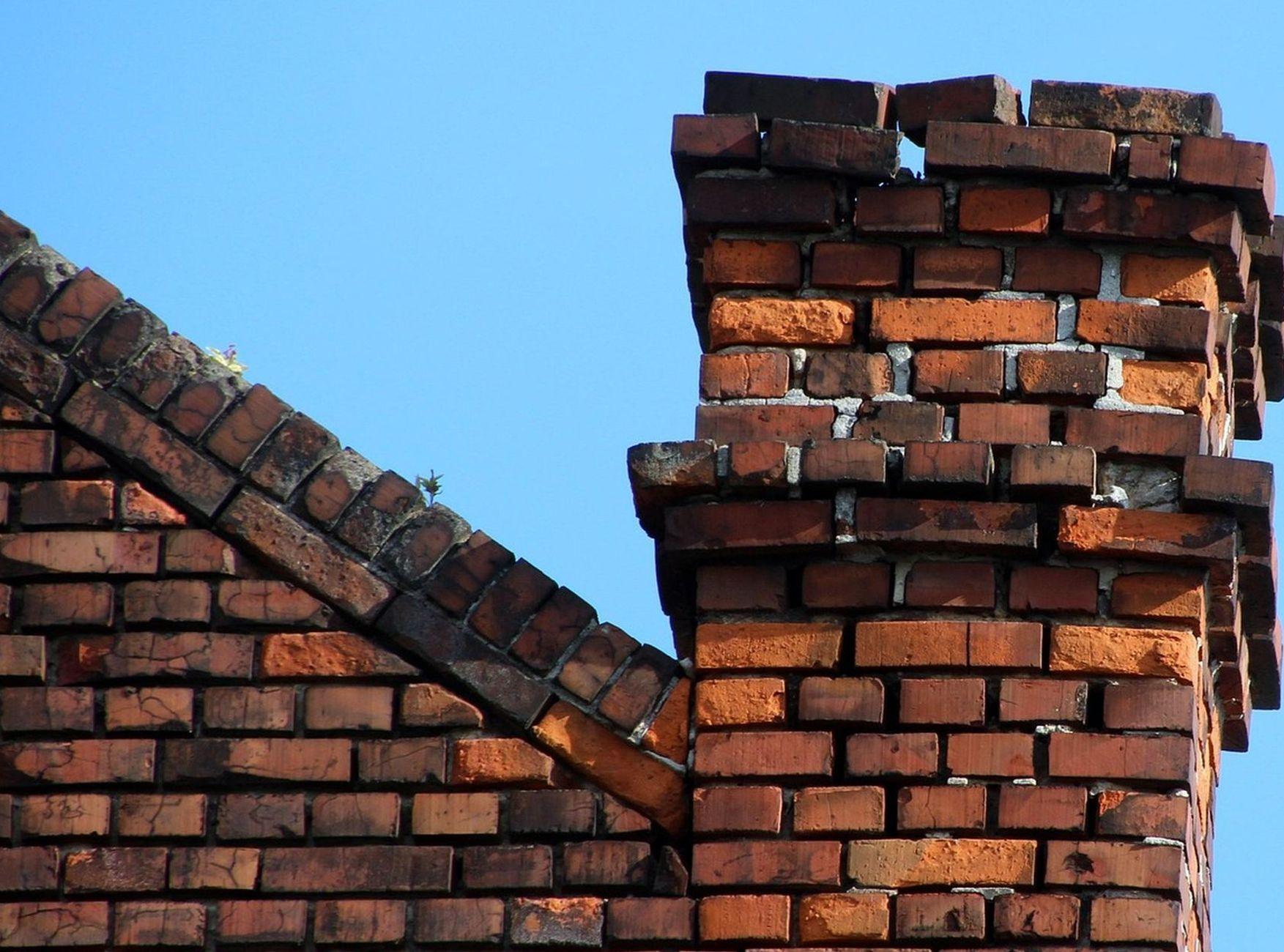
- The brick joints. Flashing has to be set into sound mortar; soft joints get repointed first.
- Damage below. Rotted roof boards, wet framing or ruined drywall add to the job.
- Height and access. A second-story chimney on a steep roof takes longer to rig and work.
Ask for a written leak quote. Tell us where the stain is, when it shows (every rain, or only in big storms), what the roof is made of, and whether anyone has patched it before.
What the written quote shows
Each piece on its own line: the trace, the flashing work, the cricket if one is needed, any roofing that has to be replaced, and anything we found that is not the flashing, like a cracked crown, with its own quote. Nothing gets folded into one lump number, so you can see what each part costs and decide.
Rain, sea air and timing
Hermosa Beach does not get much rain, but what it gets tends to come in a few hard winter storms, often driven by wind against one face of the chimney. A joint that stays dry all summer can leak in the first heavy storm. The marine layer does its share the rest of the year, keeping the metal damp and salty. Booking the repair in the dry months means a roof that is easier to work on and a chimney sealed before the wet season comes back.
For the full list of repairs we price, see chimney leak repair and flashing repair, or our page on fixing a failed inspection.
Get the stain looked at
If there is a stain near your chimney, tell us about it on the contact page and we will set up a visit to trace it, anywhere in Hermosa Beach, Manhattan Beach, El Segundo or Inglewood.
Is Something Living in Yours?
McGrath pulls nests, sweeps out what they leave, and fits screened caps and fresh flashing so birds, rats and rain stay outside. We take jobs in Hermosa Beach, Manhattan Beach, El Segundo, Inglewood and the towns around them.